Heart Health
Caring for our heart is an important part of life, as it enables us to maintain optimal cardiovascular function, reduce the risk of heart disease, and enhance overall well-being.
View all Heart Health articles Take a heart risk assessment

In this section
Prevention
Preventing heart-related issues requires a healthy lifestyle, including exercise, a balanced diet, and regular check-ups.
Definition
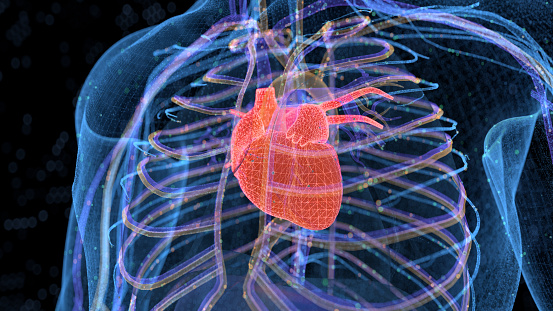
Learn the basics about the anatomy of the heart, its intricate functions, and cardiovascular complications.
Diagnosis
Diagnosing cardiovascular issues could include assessments, tests, and imaging.
Management
With proper management, you can live a perfectly normal life with cardiovascular disease. Read up on this topic.
Treatment
Treatment options for heart-related issues may include medication, lifestyle changes, and interventions like surgery.
Recovery
Recovering from a cardiovascular event may involve rehab, medication, and monitoring from a cardiologist.
Related Conditions
Medical conditions like high blood pressure, diabetes, and obesity can impact cardiovascular health.
Symptoms
Heart-related symptoms like chest pain, shortness of breath, and fatigue require prompt medical attention.

Sign up for our Heart Your Heart email newsletter.
Enter your email address below to receive Crestner Health's weekly e-newsletter focused on heart health. From the latest advancements in medicine to delicious heart-healthy recipes, you'll stay on top of helpful information dedicated to what matters most — your heart.
Featured

Prevention
A Woman's Guide to Beating Heart Disease
Surveys show fewer than one in 10 women perceive heart disease as their greatest health threat. But it's the nation's number one killer, and women are its prime target.
Diagnosis
Magnetic Resonance Imaging (MRI) of the Heart
Magnetic resonance imaging (MRI) is a test that uses a large magnet, radio signals, and a computer to make accurate images of the heart.
Types of Heart Disease
Atrial Fibrillation
Atrial fibrillation, or AFib, is a kind of abnormal heart rhythm or arrhythmia. AFib increases the risk for blood clots. These clots can then travel to the brain, causing a stroke.
Heart Failure
Heart failure is a condition in which the heart can't pump enough blood to meet the body's needs. This condition requires immediate medical care.
Arrhythmias
An arrhythmia, one of the many common heart conditions, is an abnormal heart rhythm that can cause problems with the contractions of your heart chambers.
Coronary Heart Disease
A person with coronary heart disease has an accumulation of fatty deposits in the coronary arteries. These deposits narrow the arteries and can decrease or block blood flow.
Cardiomyopathy
Cardiomyopathy is category of cardiovascular disease of the heart muscle in which the heart loses its ability to pump blood effectively through the body.
Heart Attack
A heart attack happens when the blood supply is cut off from the heart muscle, usually because of a blood clot. Without blood and oxygen, the muscle cells are damaged and die.